Most small businesses send links constantly: in emails, on social posts, in printed flyers, on packaging, in customer replies. Each one is a small handoff between a person who is interested and the page that has to deliver. When those links are long, untracked, and impossible to change after they go out, that handoff is fragile. Link management is the practice of making each handoff short, readable, measurable, and reversible. For a business owner, that is less about tidy URLs and more about keeping control of traffic you already worked to earn.
What link management actually covers
A URL shortener is a web tool that turns a long web page address into a much shorter one, and an address over 150 characters long can be a real problem to share. Shortening is only the first step. Link management adds the layers around it: a memorable alias, a record of every link you have created, click counts, and the ability to edit, pause, archive, or delete a link later. On URLBit, links are created with either a random six-character code or a custom alias of 3 to 20 letters, numbers, hyphens, or underscores, and every link stays in a dashboard you can return to.
Long URLs break at the worst possible moment
Long links fail in ordinary, boring ways. They wrap across three lines in an email and get cut when someone copies them. They hit a character limit in a social profile or a text message. They look like noise in a printed brochure. They are hard to read aloud on a call or in a video. A short link removes most of that friction because it is compact enough to survive copying, pasting, re-typing, and printing.
The second benefit is legibility. A short link with a recognizable word in it signals where it goes, so people are more willing to click. Short.io markets custom branded domains and short links as a core feature, and Canva's shortener pitches branded links that reflect a brand name or current campaign. The principle is consistent across tools: a link that looks like it belongs to you is easier to trust than a string of random parameters.
Click data turns guesswork into a feedback loop
Every short link is a measurement point. Instead of guessing which channel brought people in, you can read it from the link. URLBit records click totals, daily counts, and breakdowns by device, browser, and referrer, with 7, 30, and 90 day views plus all-time numbers, and exports available as CSV. That is enough to compare a newsletter send against a social post, or to see whether mobile or desktop visitors dominate a campaign.
Read the numbers honestly. URLBit's click analytics count recorded click events, not unique visitors, so a person who clicks twice appears twice, and country data often shows as unknown. Treat the figures as direction rather than an audit-grade count, and you will avoid overreacting to a single spike or a flat day.
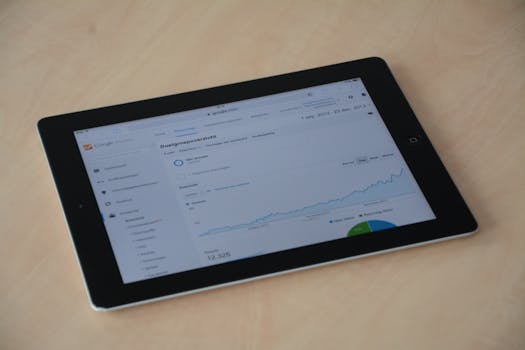
Photo by weCare Media on Pexels
Branded aliases do quiet marketing work
A custom alias costs nothing extra on many tools and pays off every time the link appears. Instead of a random code, you can publish something a customer can remember and type: a short seasonal name, a product name, a simple hyphenated phrase. On URLBit the alias must be 3 to 20 characters using letters, numbers, hyphens, or underscores, which is enough room for a campaign label without becoming a second long URL.
There is a trust angle too. People hesitate before clicking an unfamiliar string of characters, particularly in messages and social posts where malicious links are common. A short alias with a real word in it reads as intentional. That does not make a link safe by itself, but it does make a legitimate business link look like one.
You can fix a link after it is already out
This is the part business owners underrate. Printed QR codes, business cards, slide decks, and old social posts can all carry a link you cannot easily recall. If that link points to a page that later moves, you are stuck with a dead end. With a managed short link, you edit the destination instead of chasing every place the link was published.
Round that out with the rest of the lifecycle. Pause a link when a promotion should stop accepting traffic. Archive it when the campaign is over so it leaves your active list without disappearing. Rename it so a colleague can tell what it was. Delete it permanently when the destination should never be shared again. The order matters: pause and archive are reversible, deletion is not.
A simple weekly link routine
-
Create a short link for each new campaign destination before you publish anything, with an alias you can say out loud.
-
Record where each link will appear, since a link used in print has a longer life than one used in a single post.
-
Check click totals once a week rather than hourly, and compare channels rather than individual days.
-
Pause links tied to promotions that have ended so old posts do not land on an expired offer.
-
Archive finished campaigns monthly, and export the click data first if you want a record outside the tool.

Photo by Sora Shimazaki on Pexels
Link actions and when to use them
<table class="article-table" style="min-width: 75px;"><colgroup><col style="min-width: 25px;"><col style="min-width: 25px;"><col style="min-width: 25px;"></colgroup><tbody><tr><th colspan="1" rowspan="1"><p>Action</p></th><th colspan="1" rowspan="1"><p>What it changes</p></th><th colspan="1" rowspan="1"><p>Good moment to use it</p></th></tr><tr><td colspan="1" rowspan="1"><p>Edit destination</p></td><td colspan="1" rowspan="1"><p>Where the short link sends visitors</p></td><td colspan="1" rowspan="1"><p>A page URL changed or a campaign moves to a new landing page</p></td></tr><tr><td colspan="1" rowspan="1"><p>Rename</p></td><td colspan="1" rowspan="1"><p>The internal title on the link record</p></td><td colspan="1" rowspan="1"><p>A teammate cannot tell two links apart</p></td></tr><tr><td colspan="1" rowspan="1"><p>Pause</p></td><td colspan="1" rowspan="1"><p>Temporarily stops the link from resolving</p></td><td colspan="1" rowspan="1"><p>A promotion ends or an offer should stop taking clicks</p></td></tr><tr><td colspan="1" rowspan="1"><p>Archive</p></td><td colspan="1" rowspan="1"><p>Moves the link out of the active list</p></td><td colspan="1" rowspan="1"><p>The campaign is finished but you want the record kept</p></td></tr><tr><td colspan="1" rowspan="1"><p>Delete</p></td><td colspan="1" rowspan="1"><p>Removes the link permanently</p></td><td colspan="1" rowspan="1"><p>The destination should never be shared again</p></td></tr></tbody></table>Most link problems in small businesses come from treating a short link as disposable at creation and then needing it to be durable six months later.
What to check before you pick a shortener
Start with the questions that match how you actually work. Does the free tier cover your monthly volume? URLBit's free plan allows 100 links per UTC month and creates one link at a time, which suits a business publishing a handful of links a week but not a bulk migration. The Premium tier at $9.99 per month removes the creation limit and supports bulk batches of up to 50 URLs. URLBit's billing currently runs in Stripe test mode, so no real charges are processed.
Then check the basics: a custom alias, click analytics you can export, the ability to edit and pause links, and some form of abuse filtering. URLBit applies Cloudflare malware and phishing filtering, blocks IP and private-network destinations, and uses a 60 second cache. Compare that against your own requirements, and verify any pricing or feature claim on the provider's official site before you commit, since plans change.

Photo by Andrey Matveev on Pexels
Common mistakes to avoid
-
Shortening a link you never test, then finding a typo in the destination after the post is live.
-
Using a different shortener for every channel, which splits your click data across dashboards.
-
Reusing one alias across several campaigns, so the history of one link mixes with another.
-
Deleting links that appear in printed material, where the link cannot be updated.
-
Judging performance on a single day instead of comparing channels over a few weeks.
Where link management fits in a small business
You do not need an enterprise setup to benefit. A single dashboard, a naming habit, and a weekly check cover most of what a small business needs from short links. The tool is the easy part; the habit is what keeps your links accurate, your click data comparable, and your published material from turning into a field of dead ends. Pick a shortener that fits your volume today, then keep the link record clean enough that it still makes sense a year from now.
Frequently Asked Questions
Why should a business use short links instead of full URLs?
Short links are easier to copy, print, and read aloud, so they survive the places where long URLs break. They also give you a single record per campaign, which means you can change the destination, pause traffic, or check click counts without reprinting anything. For a business owner, that mix of convenience and control is the main reason to use them.
Can I change where a short link points after sharing it?
Yes, on tools that include link editing. URLBit lets you edit the destination and title of an existing link, so a page move or a new landing page does not require a fresh URL in every post. Anyone who already clicked will have visited the old destination, and those clicks stay attached to the same link.
Do short link click numbers equal the number of visitors?
No. Click analytics typically count recorded click events, not people. One visitor who clicks the same link twice is counted twice, and some clicks get filtered as bots. URLBit states this directly and notes that country data often appears as unknown. Use click totals to compare channels and spot trends rather than as an exact visitor count.
How many short links does a small business need each month?
That depends on how often you publish. A business sending a weekly newsletter with two or three campaign links, plus social posts and a printed flyer, usually stays inside a modest monthly allowance. URLBit's free plan allows 100 links per UTC month, created one at a time. Businesses running frequent bulk campaigns typically need a paid tier.
Should link aliases match the campaign name?
A recognizable alias helps people trust and remember the link, so tying it to the campaign or product name is a sensible default. Keep it short and simple, and check whether the alias is already in use before you publish. On URLBit, aliases must be 3 to 20 characters using letters, numbers, hyphens, or underscores.